There's a fair question every large school asks about a tap-in system: won't that create a huge line at the door?
It's a reasonable worry. If you've got a couple thousand students all arriving in the same twenty-minute window, anything that slows the front entrance sounds like a nightmare. Nobody wants students backed up onto the sidewalk while first period starts without them.
Here's the short answer: it scales, and it's fast.
2,600 students in 10 minutes
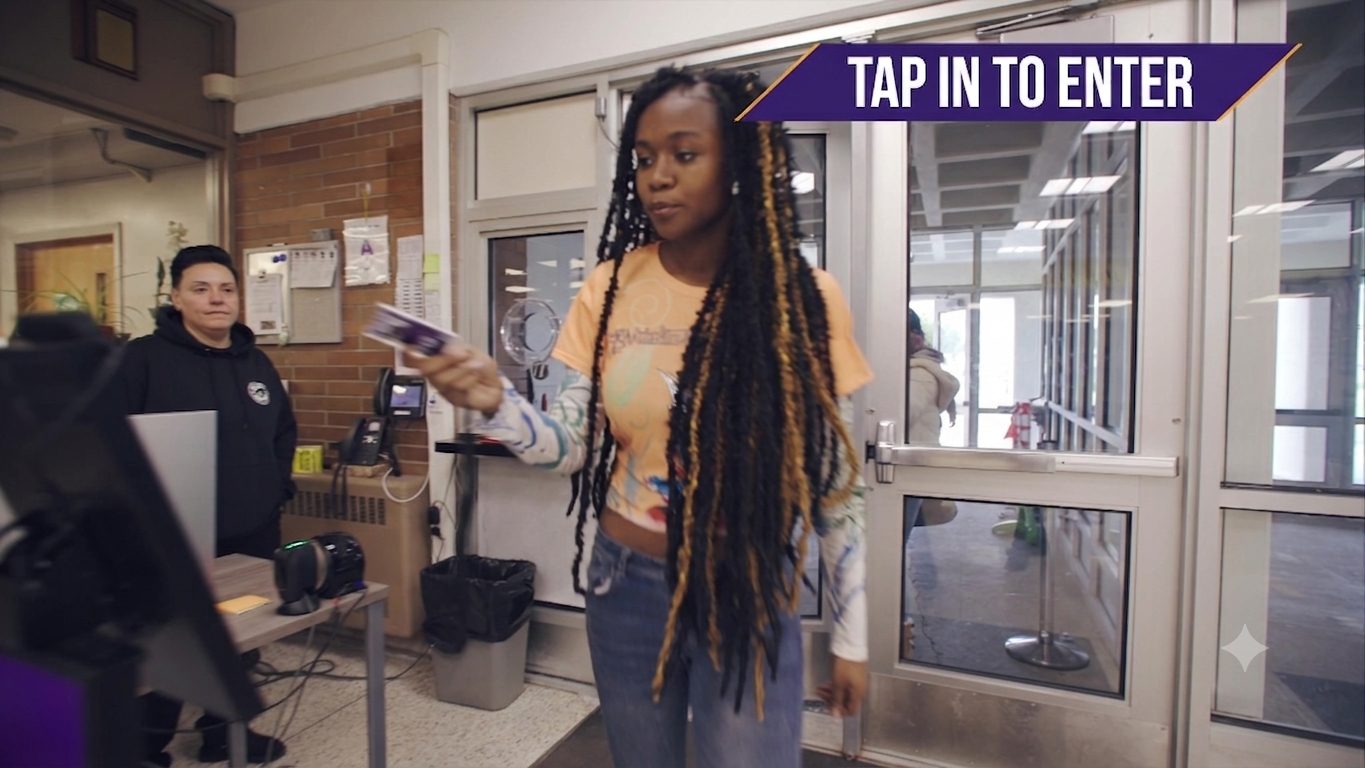
Central Islip Senior High School with around 2,600 students, checks its students within 10 minutes using MOOV. That's the whole school through the door in about the time it takes to run morning announcements.
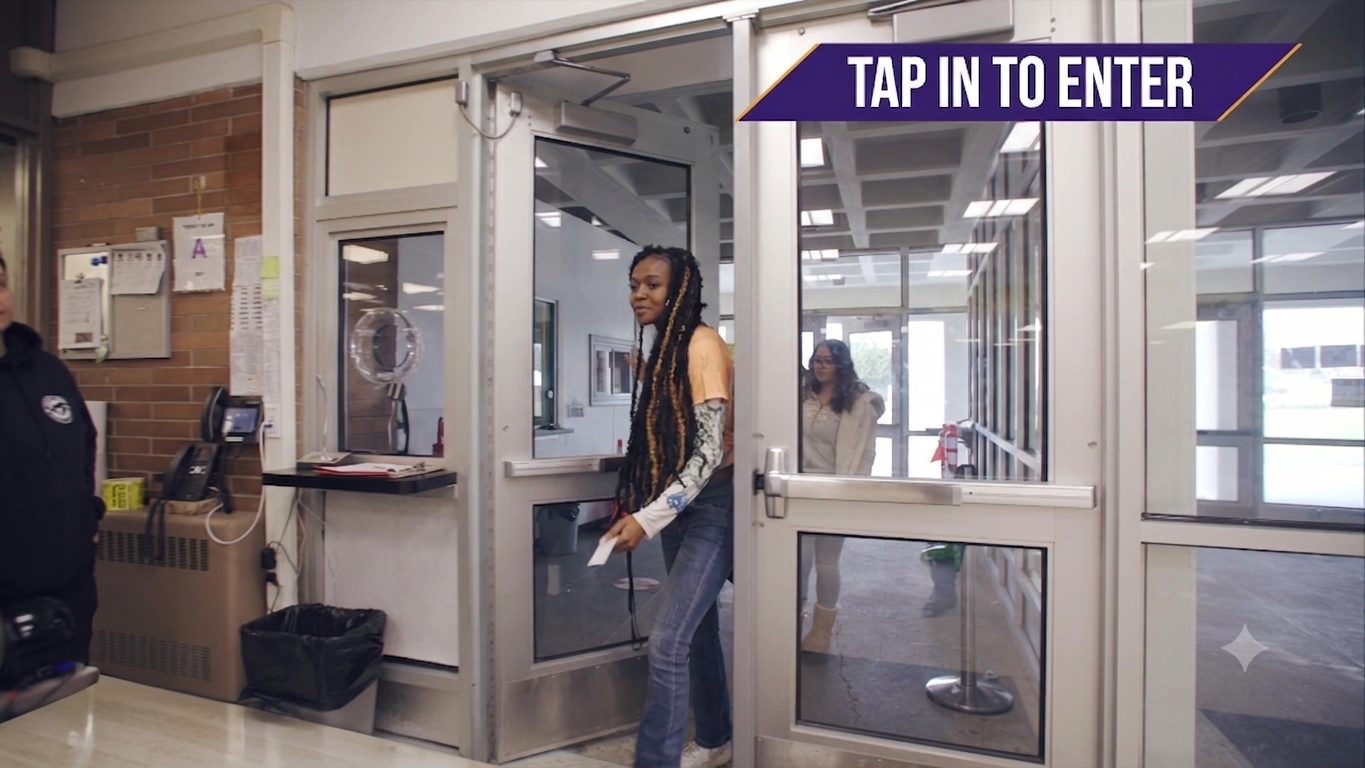
The reason is the kiosk setup. Instead of one choke point, a school can put several kiosks at a single entrance, so 4 to 6 lines of students can tap in at once. Schools with more than one entrance spread the crowd out further by putting kiosks at each entrance. Each tap takes about a second, so more lines and more doors mean even a very large building clears fast.
This matters most for big schools, which are both the most worried about bottlenecks and the ones that gain the most from knowing who's in the building. The larger the population, the harder it is to account for everyone by hand, and the more a fast, accurate check-in is worth.
No student phones or 1:1 devices required
MOOV runs on kiosks, so students don't need a phone or a school-issued device to check in. They walk up to a kiosk and tap a physical ID card. That's it.
That's a real advantage. Some check-in and hall pass systems run through an app on each student's phone or Chromebook, which only works if every student has a charged device on them. With kiosks, it doesn't matter whether a student owns a phone, forgot it, or let the battery die. The tap works the same for everyone, in a school of 300 or 3,000, and you're not paying to put a device in every hand.