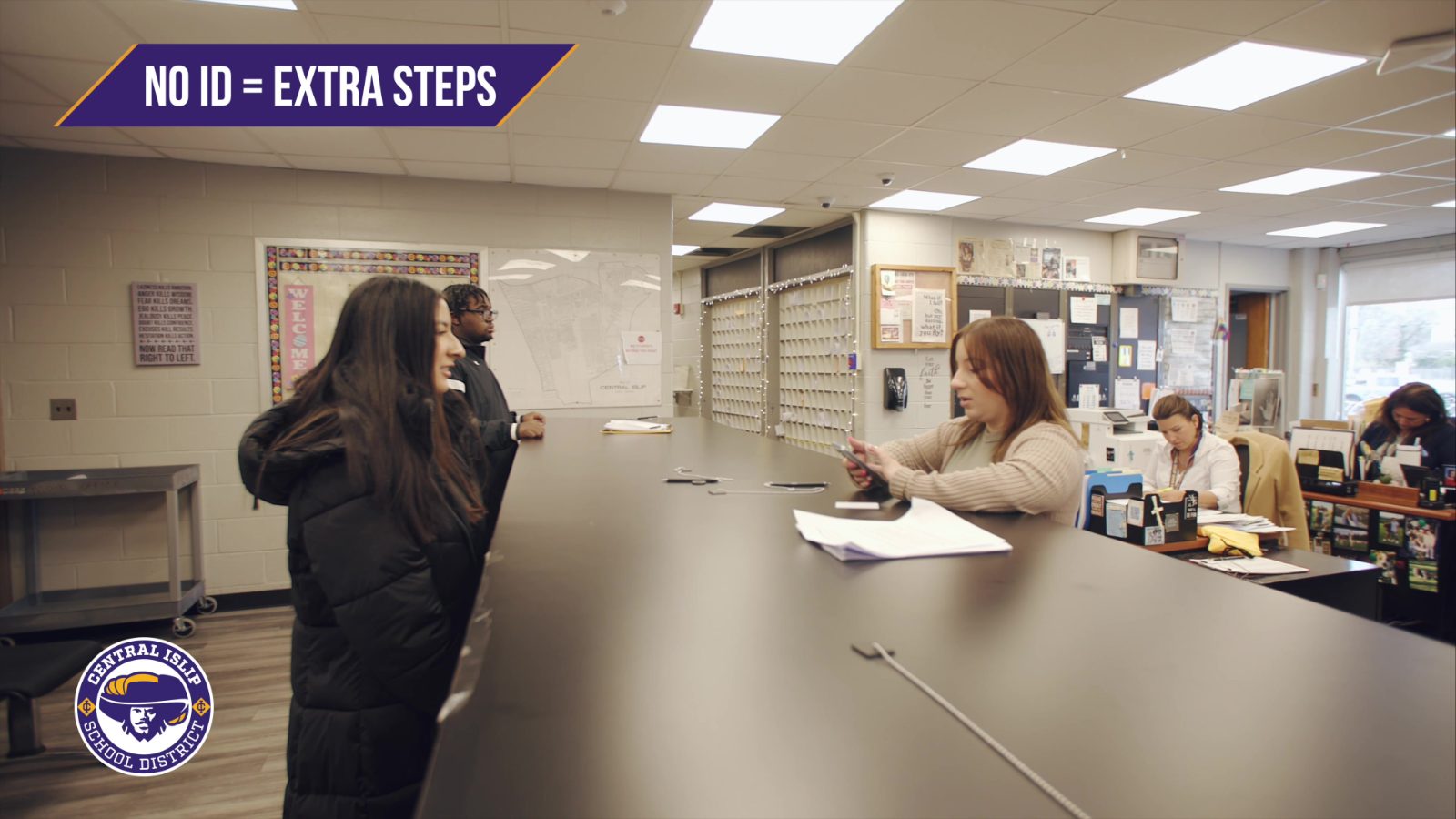
It's 10:47am. A student grabs the wooden pass and walks out. Where do they go? How long are they gone? Did three friends leave for the same bathroom at the same time?
For most schools, the honest answer is: nobody knows. That small gap between "can I go?" and "I'm back" is where tardies, vaping, and crowded hallways quietly happen. A digital hall pass closes it.
What is a digital hall pass?
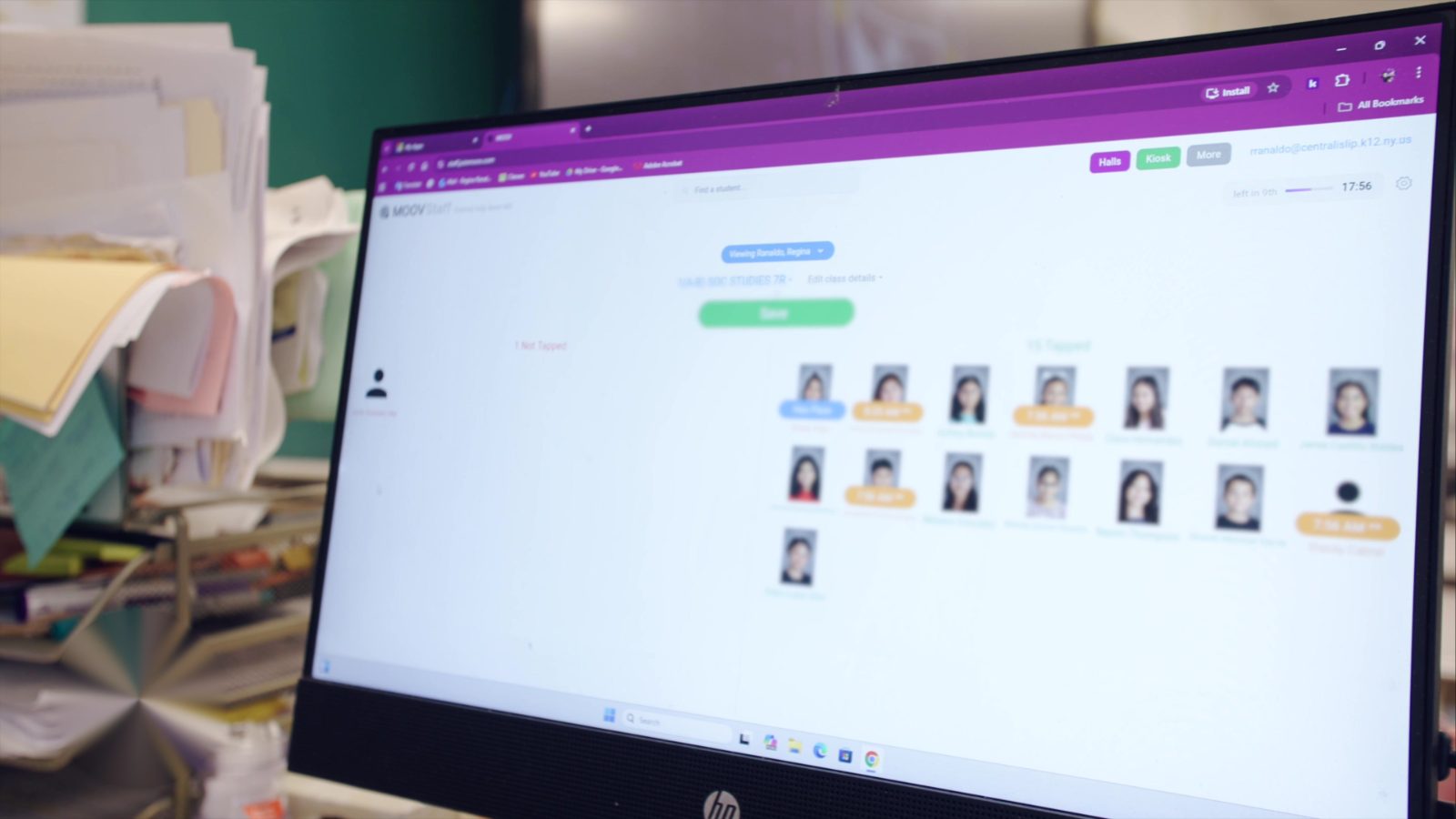
A digital hall pass is the electronic version of the paper or wooden pass. Instead of a physical object that gets lost, shared, or faked, students check out and back in through a system, and staff can see who's out, where they're headed, and how long they've been gone in real time.
The difference in one line: a paper pass tells you nothing once a student leaves. A digital hall pass keeps telling you the truth the whole time they're gone.
Digital hall pass vs. paper hall pass
A paper pass is cheap and familiar, but it's a black box: no data, easy to fake, useless the moment a student leaves. A digital hall pass gives you real-time visibility, automatic records, fewer tardies, safer bathrooms, and a real answer when someone asks where a student is.
App-based vs. card-based: not all digital hall passes are the same
Once a school decides to go digital, there's a second choice that gets overlooked. Most digital hall passes run as an app on a student's chromebook, which means relying on personal devices, logins, and a battery that may or may not be dead. It also means putting a phone in a student's hand right as they leave the room, which is the opposite of what a lot of schools want. Schools are also shifting away from using phones in classrooms making phone-based passes not viable.
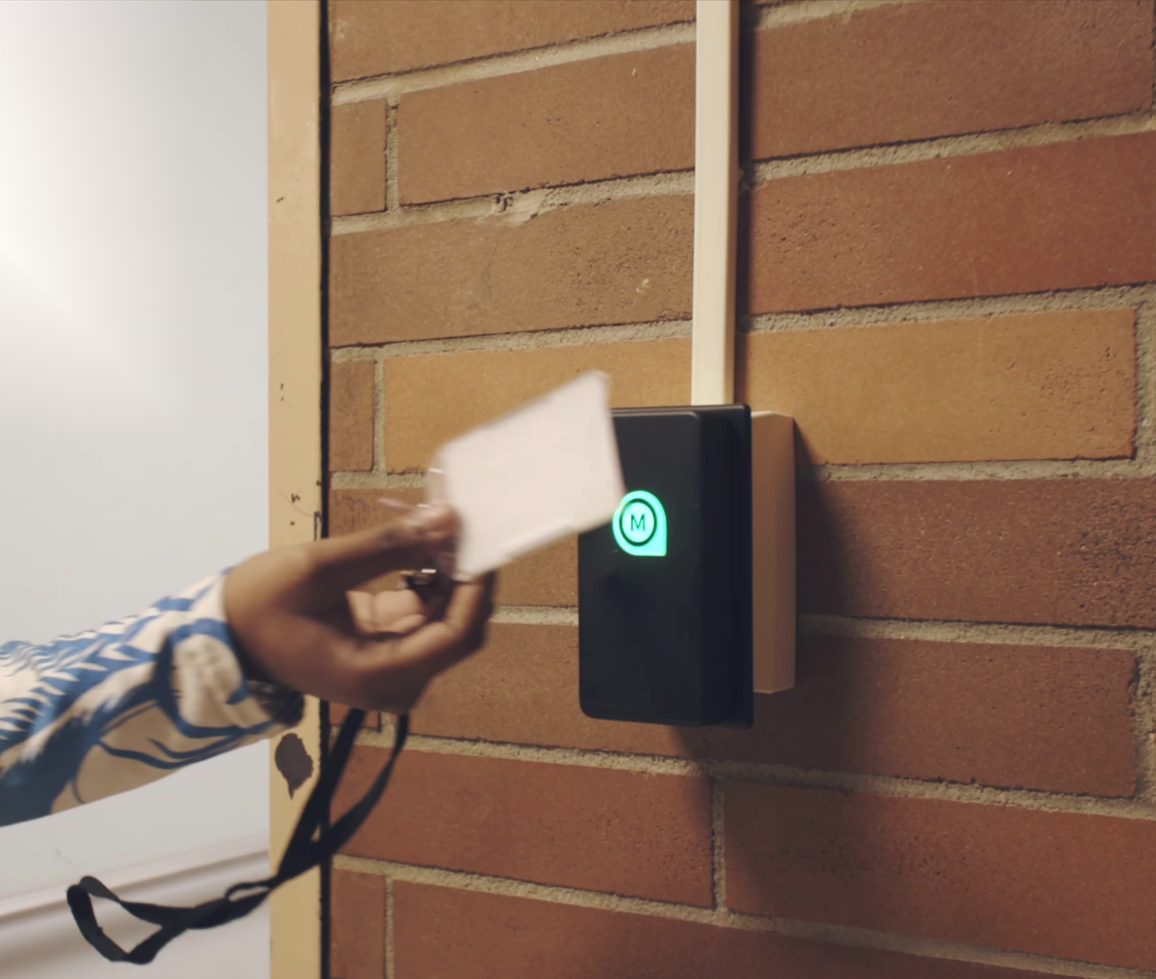
The other approach is card-based. A student taps their school ID on a reader, and that's the whole interaction. No phone, no app, no password.
How does a digital hall pass work?
The mechanics are simple, which is the point:
- A student checks out when they need to leave the room.
- The system logs who left, when, and where they're going.
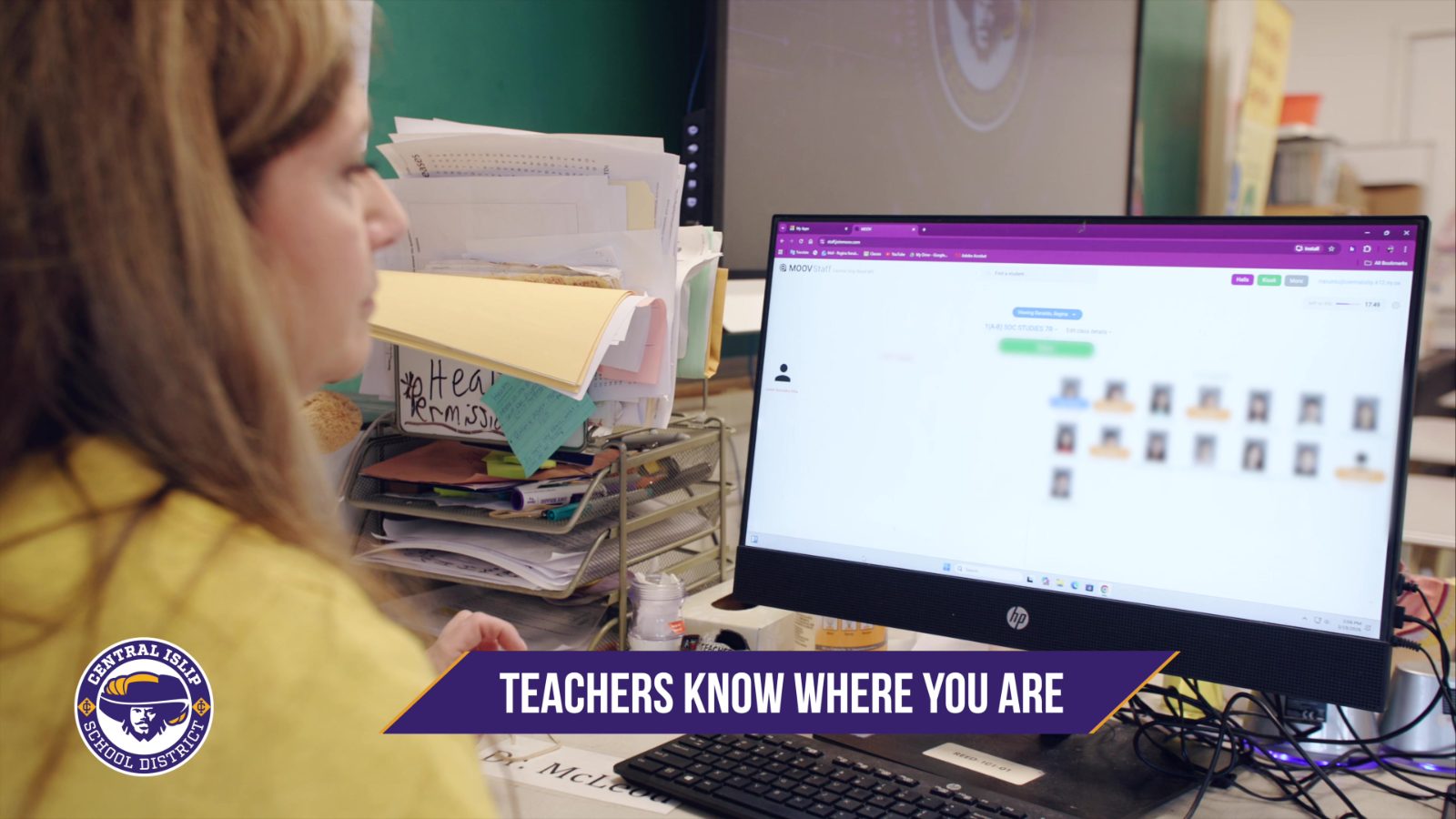
- Any staff member can see the live list of who's out.
- The student checks back in, and the trip is time-stamped automatically.
No clipboard, no "I forgot to sign back in," no guessing whether the pass on the hook means someone's actually out.
The three problems it solves
A hall pass system isn't really about passes. It's about the three things that go wrong when you can't see student movement.
Tardies and lost class time. Attendance and tardies are the number one concern we hear from school leaders, nearly double any other issue. A digital pass makes the pattern visible: the student who's out 18 minutes every third period, the hallway that floods after lunch. Once you can see it, you can fix it.
Vaping and bathroom hotspots. Vaping happens in the same spots, at the same times, with the same students out together. A digital system can flag when too many students head to one bathroom at once, removing the easy opportunity without surveilling anyone.
Knowing who's on campus. In an emergency, "who's out of class, and where?" is the question that matters most. A wooden pass can't answer it. Student accountability software can, instantly.
How MOOV can help
MOOV is a card-based system, and the same ID card tap that checks a student out also takes attendance, manages the cafeteria, and accounts for students across every building. Most hall pass tools stop at the hallway. MOOV doesn't.
Here's what that looks like:
- One tap does everything. A student taps their ID card on the Magic Reader. That single tap handles the hall pass, captures attendance automatically, and works at entry points and the cafeteria too.
- No chromebooks, no busywork. No app to open, no roll call, no Google Form. Teachers get back about two minutes every period.
- You see the whole campus, all day. Not just "present at 8am," but who's where, right now.
So with MOOV, the hall pass isn't the product. It's one piece of knowing, at any moment, that every student is accounted for and safe. That's what we built, and it's why a tap beats a clipboard every time.